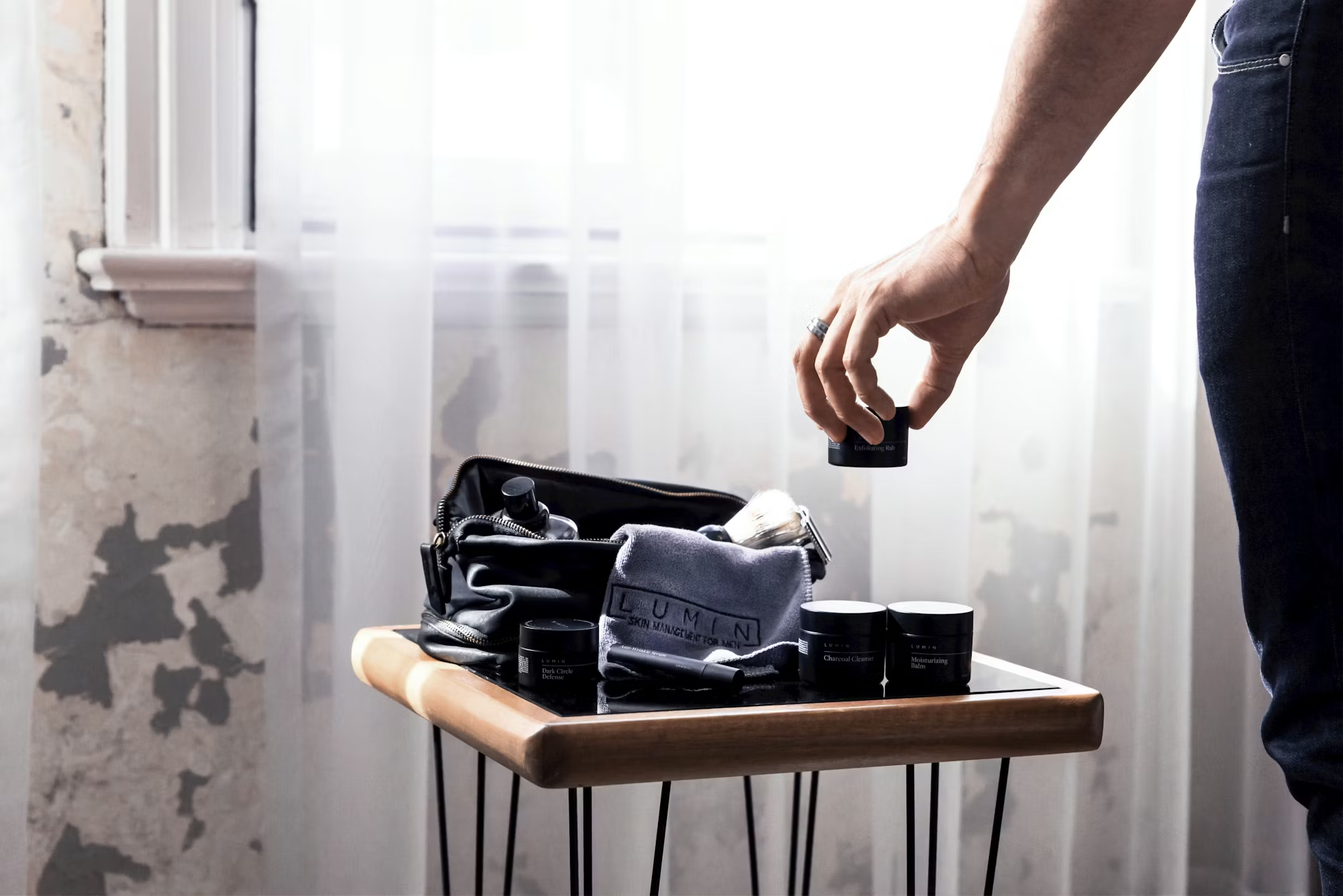
Skincare is an art that combines science and creativity, allowing individuals to express themselves while caring for their skin. A well-structured skincare routine is essential for achieving healthy, glowing skin. With countless products on the market, knowing where to start can feel overwhelming. This guide will break down the essential steps of an effective skincare regimen, highlighting the purpose and benefits of each product to help you unlock your skin’s true potential.
Understanding Your Skin Type
Before diving into product selection, it’s crucial to understand your skin type. This fundamental knowledge allows you to tailor your routine to suit your unique needs. Skin types generally fall into four categories: oily, dry, combination, and sensitive. Oily skin often experiences excess shine and breakouts due to high sebum production, while dry skin may feel tight and appear flaky. Combination skin has both oily and dry areas, usually characterized by an oily T-zone and drier cheeks. Sensitive skin is reactive and can be easily irritated by various products or environmental factors.
Identifying your skin type sets the foundation for an effective routine. Each skin type has specific needs that can be addressed with the right products, ensuring your skin receives the care it deserves.
Step 1: Cleansing
The first step in any skincare routine is cleansing. A good cleanser removes dirt, makeup, oil, and impurities accumulated on the skin throughout the day. Cleansing prepares your skin for subsequent products, making it a vital step in any regimen.
When choosing a cleanser, consider your skin type. Foaming cleansers work well for oily and combination skin types, as they create a lather that effectively lifts away excess oil. Cream cleansers, on the other hand, are ideal for dry or sensitive skin, offering gentle hydration while cleansing. Gel cleansers strike a balance between the two, providing a refreshing feel without stripping essential moisture. For those who wear makeup, micellar water is an excellent option, effectively removing impurities while soothing the skin.
Step 2: Exfoliation
After cleansing, exfoliation is essential for promoting skin renewal and improving texture. Exfoliating helps to slough off dead skin cells, revealing a brighter and smoother complexion. There are two main types of exfoliants: physical and chemical. Physical exfoliants contain small granules that manually scrub away dead skin. While they can be effective, it’s crucial to use them gently to avoid irritation. Chemical exfoliants, such as AHAs (Alpha Hydroxy Acids) and BHAs (Beta Hydroxy Acids), dissolve dead skin cells by breaking the bonds that hold them together, making them easier to remove. AHAs are particularly beneficial for dry or sun-damaged skin, while BHAs target oily and acne-prone skin. Regular exfoliation, ideally two to three times a week, can significantly enhance your skin’s texture and overall appearance.
Step 3: Toning
Following cleansing and exfoliation, toning is an important step that helps to balance the skin’s pH and remove any remaining impurities. Toners can also prep the skin for better absorption of subsequent products, enhancing their effectiveness. Today’s toners come in various formulations, so it’s essential to select one that suits your skin type. Alcohol-free toners are gentle and hydrating, making them suitable for dry and sensitive skin. For those seeking additional exfoliation, toners infused with AHAs or BHAs can provide further benefits, keeping your skin smooth and refreshed.
Step 4: Serums
Serums are highly concentrated products designed to target specific skin concerns. They contain active ingredients that penetrate deeply into the skin, delivering powerful results. When choosing a serum, focus on your skin goals. For hydration, serums with hyaluronic acid are excellent, as they draw moisture into the skin. Brightening serums, often formulated with Vitamin C, can help even skin tone and diminish dullness. If you’re concerned about aging, look for serums containing retinol or peptides, which stimulate collagen production and reduce the appearance of fine lines. Incorporating a serum tailored to your unique needs can significantly elevate your skincare routine and enhance your skin’s overall health.
Step 5: Moisturizing
Moisturizers play a crucial role in locking in hydration and protecting the skin barrier. They help prevent moisture loss and keep your skin looking plump and youthful. Different formulations—lotions, creams, gels, and balms—cater to various skin types. For oily skin, lightweight gel moisturizers provide hydration without clogging pores. Cream-based moisturizers offer richer moisture for dry or mature skin, while sensitive skin types should opt for fragrance-free options that soothe and nourish. A well-selected moisturizer not only hydrates but also improves skin texture, making it a vital component of your routine.
Step 6: Sunscreen
One of the most critical steps in any skincare regimen is the application of sunscreen. Protecting your skin from harmful UV rays is essential to prevent premature aging and maintain overall skin health. Sunscreens come in both chemical and physical formulations, allowing you to choose based on your preference. Chemical sunscreens absorb UV radiation and convert it into heat, providing a lightweight feel. Physical sunscreens, containing zinc oxide or titanium dioxide, create a barrier on the skin’s surface to reflect UV rays, making them ideal for sensitive skin. Regardless of the formulation, daily application of sunscreen is essential and should be the final step in your morning routine.
Step 7: Eye Creams
The skin around the eyes is particularly delicate and prone to concerns such as dark circles, puffiness, and fine lines. Eye creams are specially formulated to address these issues, offering lighter textures that hydrate and target specific concerns. Ingredients such as caffeine can help reduce puffiness, while peptides and hyaluronic acid work to minimize the appearance of fine lines. Including an eye cream in your regimen can significantly enhance the overall appearance of your eye area, making it look brighter and more youthful.
Step 8: Masks
Facial masks provide an excellent opportunity for targeted treatment and extra nourishment. Masks come in various forms, including sheet masks, clay masks, gel masks, and overnight masks, each designed to deliver specific benefits based on their ingredients. Clay masks are effective for drawing out impurities and controlling excess oil, making them ideal for acne-prone skin. Hydrating gel masks provide a refreshing moisture boost, while sheet masks offer concentrated hydration and nutrients in a convenient format. Incorporating masks into your routine once or twice a week can elevate your skincare regimen, providing focused care for your skin.
Step 9: Spot Treatments
For occasional blemishes or specific problem areas, spot treatments can provide targeted relief. These products often contain potent ingredients like salicylic acid or benzoyl peroxide, which help to reduce inflammation and target bacteria. Applying spot treatments directly to affected areas can minimize breakouts and keep your skin looking clear and healthy.
Step 10: Essences
Essences are lightweight, hydrating products that can be applied after toning and before serums. They provide an extra layer of moisture, enhancing hydration levels and preparing the skin for subsequent products. Often containing beneficial ingredients like botanical extracts or hyaluronic acid, essences can significantly improve skin health and hydration.
Creating Your Personalized Routine
Building an effective skincare routine involves understanding each product’s role and how they work together to improve skin health. From cleansing and exfoliating to moisturizing and protecting, every step plays a vital role in achieving a radiant complexion. By selecting products tailored to your skin type and specific concerns, you can create a regimen that enhances both your skin’s appearance and your confidence.
Remember that consistency is key to seeing results. It may take time to notice changes, so be patient and enjoy the journey to healthier skin. With the right products and a tailored routine, achieving a glowing complexion is entirely possible. Feel free to experiment with different combinations to find what works best for you, and always remember that your skin deserves the best care you can provide.